
Reducing friction, speeding up the purchase journey and creating seamless experiences is what sets a high-converting online store apart from one that misses opportunities. This is exactly where QR codes come into play.
QR codes are a simple yet extremely powerful tool for connecting the physical and digital worlds, enhancing the user experience and increasing sales.
In this article, we’ll look at how to make the most of QR codes for e-commerce, with practical examples and strategic advice.
Why use QR codes in e-commerce
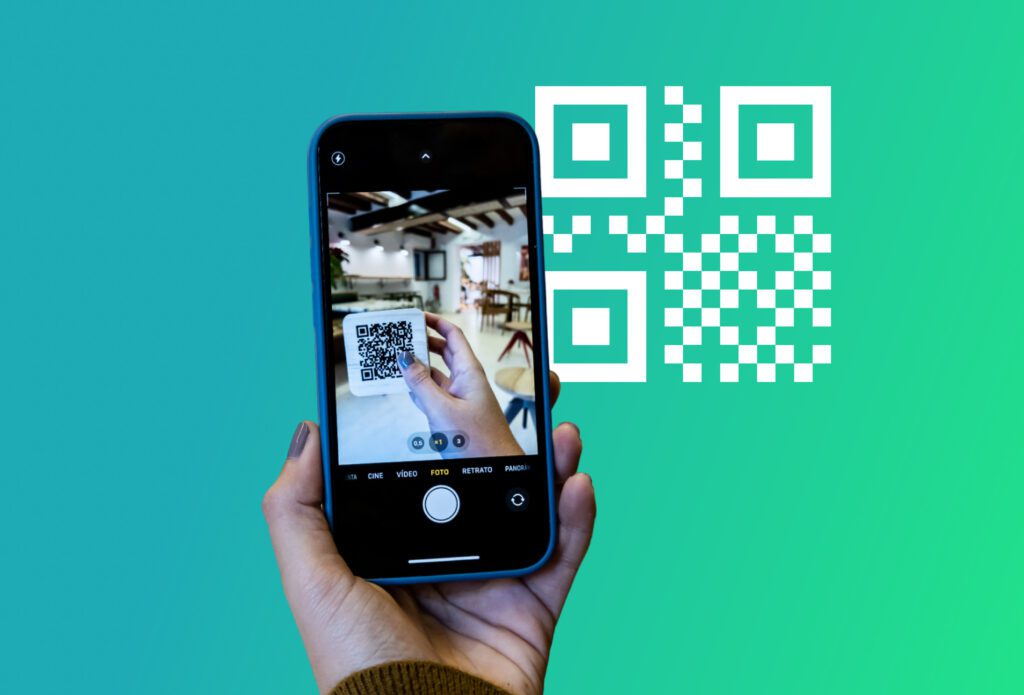
QR codes allow users to access digital content instantly, without typing URLs or manually searching for information. A quick scan is all it takes.
In an e-commerce context, this results in a smoother user experience: fewer steps in the sales funnel, instant access to products and offers, and more natural engagement. QR codes also help create more consistent and effective omnichannel experiences by linking the physical and digital worlds. The result? Fewer barriers along the purchase journey and more conversions.
5 smart ways to use QR codes in e-commerce
1. Drive direct traffic to product pages
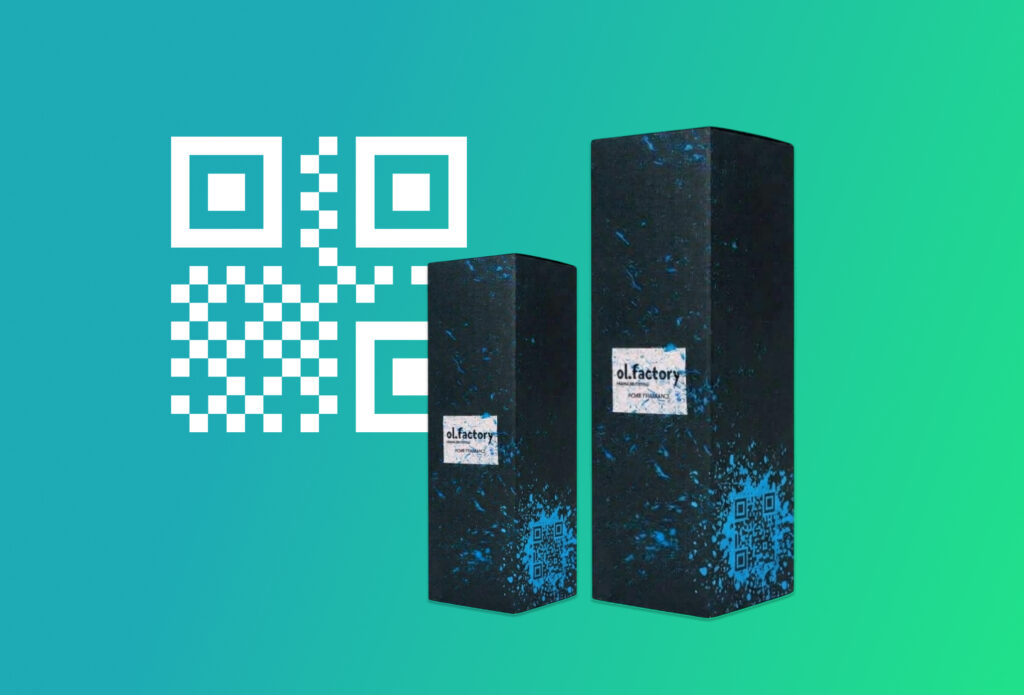
Adding QR codes to packaging, flyers or shop windows allows users to land directly on a specific product page.
Example: a customer purchases a product and finds a QR code inside the packaging that takes them to a reorder page or to related products.
Result: increased repeat purchases.
2. Simplify the purchase process
A QR code can take users straight to the checkout page or to a mobile-optimised landing page. This is particularly useful for offline campaigns (billboards, events), printed social media and promotional materials.
Result: fewer steps, higher conversions.
3. Offer discounts and personalised promotions
QR codes can be used to distribute exclusive discount codes or limited-time offers (you can also explore QR codes for marketing campaigns).
Example:
- QR code on packaging → discount on the next purchase
- QR code in a physical store → online promotion
Result: an immediate incentive to buy.
4. Improve the post-purchase experience
The relationship with the customer doesn’t end after the sale. A QR code can provide quick access to tutorials, demo videos or customer support.
Result: greater satisfaction and stronger customer loyalty.
5. Collect data and feedback
By linking a QR code to a form or survey, you can gather valuable insights about your customers.
This allows you to:
- improve products and services
- personalise offers
- optimise marketing campaigns
Result: more informed decision-making.
Best practices to follow
To achieve real results, avoid a rushed or unstructured approach. Here are some key best practices:
- Optimise for mobile: the destination must be fast and responsive
- Use a clear call to action: explain what happens after scanning
- Test your QR codes: always ensure they work properly
- Track performance: monitor scans and conversions
- Maintain visual consistency: integrate the QR code into your design
QR codes for e-commerce: a real opportunity
QR codes aren’t a passing trend, but a practical tool for improving the shopping experience and building more direct connections with customers.
When used strategically, they can become a valuable asset for increasing sales, enhancing customer experience and strengthening loyalty.
The key is to think of QR codes not as simple links, but as smart entry points into your brand experience.
Integrating QR code e-commerce into your strategy doesn’t require major investment, but it can deliver significant results.