A QR code doesn’t have to be used solely to open a website or display a digital menu. When used strategically, it can become a valuable connection point between the physical and digital worlds.
Its greatest strength lies in its simplicity: a single scan gives users access to content, a service or an experience.
But which creative QR code ideas are really worth trying? In this article, we’ll explore some original ways businesses, shops, restaurants, professionals and event organisers can put QR codes to good use.
Why use QR codes creatively?
QR codes are incredibly versatile. They can be added to physical objects, printed materials or strategic locations, turning them into gateways to digital content.
So, it’s not simply about adding a code to a brochure or product. The more interesting question to ask is:
What can I help users discover with a single scan?
It could be exclusive content, a special offer, additional information, a video or an easier way to interact with a brand.
Here are some ideas to get you started.
1. Tell the story behind a product
Many products have a story that simply can’t be told in full on their packaging.
A QR code can direct customers to a dedicated page explaining the product’s origins, manufacturing process, the people who make it or the materials used.
This is particularly useful for:
- Handmade products.
- Food and drink brands.
- Cosmetics.
- Fashion.
- Design products.
- Made in Italy products.
This way, the packaging becomes a starting point for discovering more about the product and the people behind it.
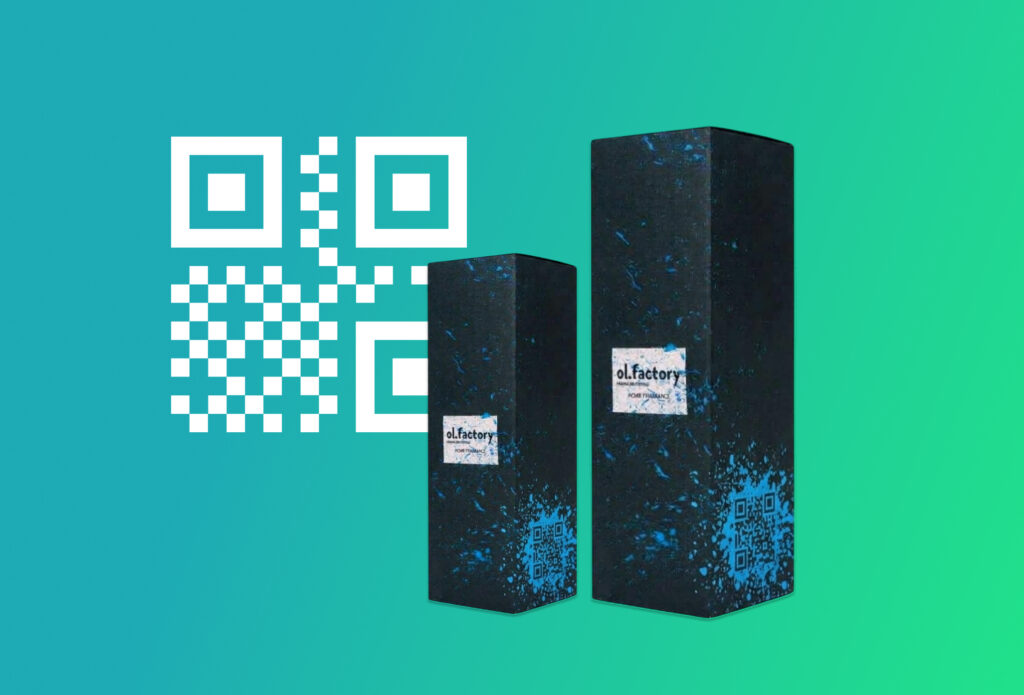
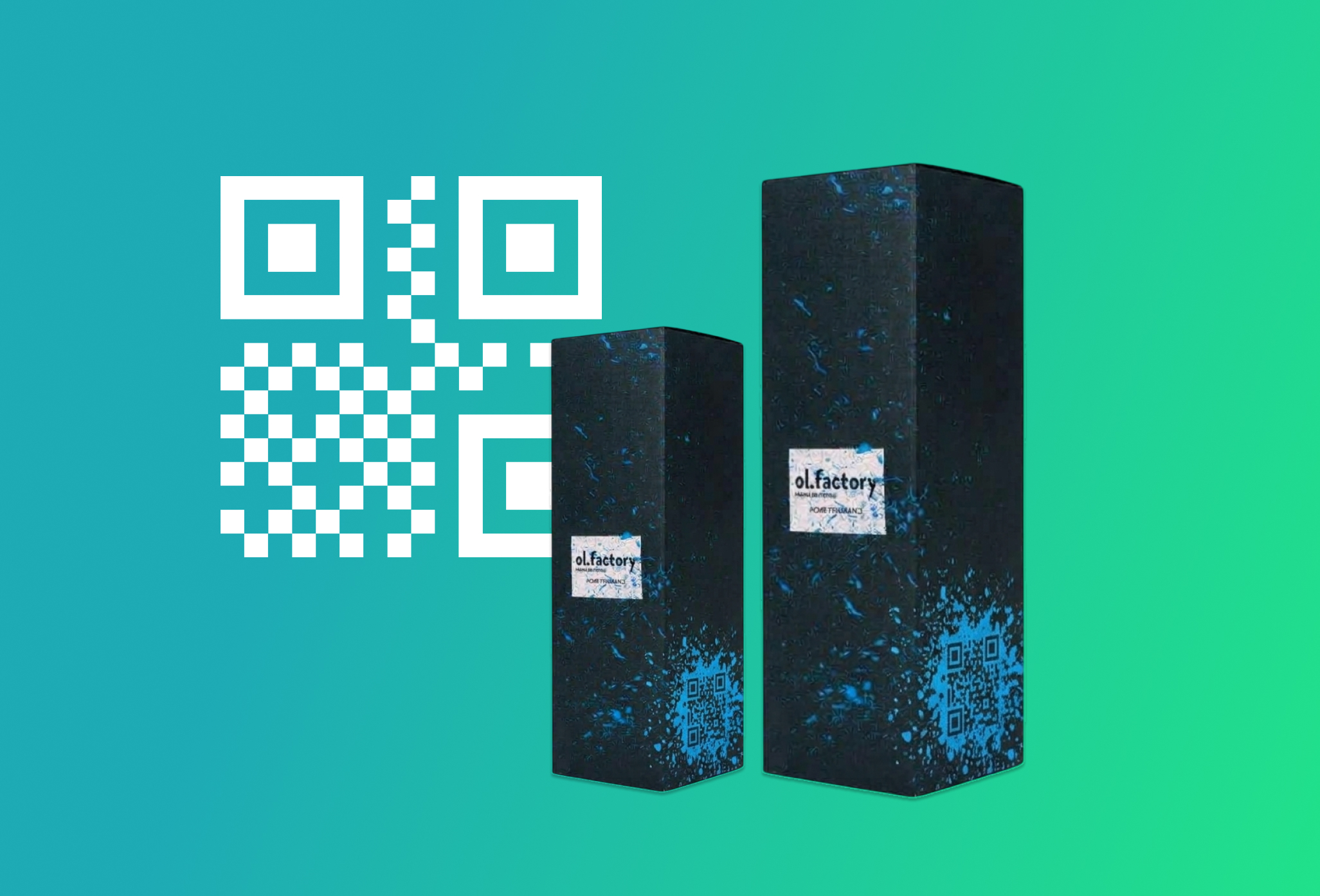
2. Turn packaging into an experience
A QR code can add a digital dimension to product packaging. After making a purchase, for example, customers could scan the code to access:
- A tutorial.
- A user guide.
- A recipe.
- Personalised tips.
- A video.
- A discount on their next purchase.
Packaging is no longer just a container. It becomes a communication channel that continues to offer value even after the sale.
3. Offer exclusive content
Another creative way to use QR codes is to make certain content available exclusively to people who scan them.
This could be a video, an image, additional information or content that isn’t promoted through other channels.
For example, a shop could place a QR code next to a new collection to give customers a sneak peek at upcoming products.
The code becomes a kind of VIP pass, offering access to something extra.
4. Organise a digital treasure hunt
For events, shops and businesses, QR codes can become part of an interactive game.
Different codes can be placed in several locations and linked to clues, questions or challenges. Each scan allows participants to progress through the experience until they reach the final surprise.
This idea works particularly well for:
- Corporate events.
- Store openings.
- Trade shows.
- Retail shops.
- Family activities.
- Festivals and public events.
In this case, the QR code isn’t just a way to access content. It becomes part of the experience itself.
5. Give business cards a second life
Business cards can contain a lot of information, but space is limited.
A QR code can link to a more comprehensive page featuring:
- Website.
- Portfolio.
- LinkedIn profile.
- Contact details.
- Email address.
- Telephone number.
- Professional introduction.
This allows the printed card to remain simple while making all the additional information available online.
It’s particularly useful for professionals, sales representatives and businesses that regularly attend trade shows and networking events. Find out more in this article.
6. Connect the physical shop to the online store
A QR code can create a direct link between a physical shop and an e-commerce website.
Imagine a customer interested in a product that isn’t currently available in their preferred size or variant.
A QR code placed next to the product could take them straight to its page in the online shop, without the need to search for it manually.
The same approach can be used to showcase related products, new collections or special offers.
7. Make a catalogue interactive
A printed catalogue doesn’t have to contain every piece of information about a product.
A QR code placed next to an item can allow customers to:
- Watch a video.
- View the full technical specifications.
- Request further information.
- See the product in action.
- Visit its dedicated product page.
- Download a document.
The result is a cleaner catalogue connected to a much richer digital experience.
8. Add a surprise to a gift
QR codes can also become part of a gift.
For example, a code printed on a greeting card could open a music playlist, a video, a collection of photographs or a personal message.
Businesses can use the same idea for client gifts, adding a message, a personal note or exclusive content to accompany the gift itself.
A small digital touch can make a physical gift feel much more personal.
9. Create an interactive tour
Museums, hotels, showrooms and tourist attractions can use QR codes to create informative, self-guided tours.
Each code provides information about a specific point along the route.
In a museum, for example, it could tell visitors more about a work of art. In a hotel, it could introduce the available facilities and services. At a tourist attraction, it could suggest nearby places worth visiting.
Visitors can choose which information to explore, without having to read lengthy printed materials.
10. Make leaving a review easier
Asking customers to leave a review often involves an extra step that they have to complete on their own. A QR code can make the process much simpler.
It can be placed:
- On a restaurant table.
- On product packaging.
- On a receipt.
- In a hotel room.
- At a shop counter.
- On documents handed to customers.
Scanning the code takes customers directly to the page where they can leave a review, reducing the number of steps involved.
How to make a creative QR code truly effective
Originality alone isn’t enough. Above all, a QR code needs to be easy to use.
Before publishing or printing it, make sure you:
- Explain what users will find, using a clear, concise call to action.
- Check that the code can be scanned easily.
- Test it on different smartphones.
- Optimise the linked content for mobile devices.
- Choose a clearly visible location.
- Avoid making the code too small.
The most important advice is simple: don’t add a QR code just for the sake of going digital. There should be a clear reason why someone would want to scan it.
A QR code is creative when it adds value
The best creative QR code ideas aren’t necessarily the most spectacular ones.
Often, all it takes is finding a simple way to make something easier: discovering a story, getting information, accessing content, taking part in an activity or contacting a business.
That’s where the real potential of QR codes lies: turning a physical item or printed material into an instant gateway to the digital world.
And when the content on the other side is genuinely useful, a simple scan can become an experience in its own right.