Although QR Codes have become a familiar part of everyday life, many people still wonder how to use QR Codes effectively. The answer depends on your goal: simplifying access to content, sharing information, improving the customer experience, or making communication faster and more engaging.
In this article, we’ll explain how to use a QR Code, when it makes sense to do so, and the best practices for achieving tangible results.
What is a QR code and how does it work?
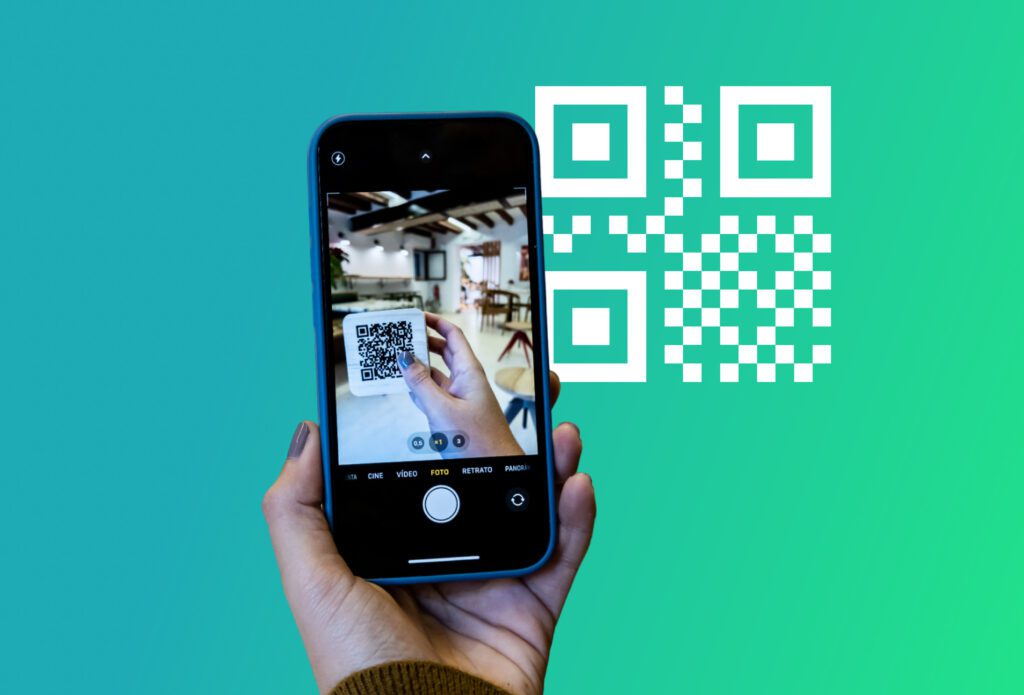
A QR Code (Quick Response Code) is a two-dimensional barcode that can be scanned using a smartphone camera or a dedicated scanning app.
Once scanned, it instantly directs users to digital content such as:
- a website;
- a product page;
- a PDF document;
- a video;
- a contact card;
- a Wi-Fi network;
- an online form;
- a social media profile.
Users don’t need to type in a web address—simply point their phone at the code to access the desired content within seconds.
How to use a QR code: the most common applications
The possibilities for using QR Codes are virtually endless. Here are some of the most popular examples.
Share a website
This is probably the most common use. By adding a QR Code to flyers, brochures, catalogues or posters, people can visit your website with a simple scan. It’s an effective way to connect printed materials with digital content.
Provide downloadable documents
User manuals, price lists, catalogues, technical data sheets and brochures can all be accessed without printing dozens of pages. Simply create a QR Code linked to the PDF and place it on your promotional materials or directly on your product.
Share contact details
With a VCard QR Code, users can save your contact information directly to their smartphone. This is particularly useful at trade shows, business events, networking meetings and conferences.
Link to social media
More and more businesses use a single QR Code to direct users to their social media profiles or a dedicated landing page. This makes it easier to increase followers and encourage engagement.
Provide easy Wi-Fi access
Hotels, restaurants, offices and hospitality venues can allow guests to connect to their Wi-Fi network without manually entering long, complex passwords. A quick scan is all it takes.
Where can you use a QR code?
One of the greatest advantages of QR Codes is their versatility. They can be added to almost any type of material, provided they remain easy to scan:
- business cards;
- product packaging;
- labels;
- flyers;
- brochures;
- catalogues;
- signs;
- shop windows;
- exhibition stands;
- menus;
- display stands;
- emails;
- email signatures;
- presentations;
- advertising campaigns.
Static or dynamic QR codes?
When creating a QR Code, it’s important to choose the type that best suits your needs.
Static QR Codes – The content is fixed and cannot be changed after the code has been generated. They are ideal when the information will remain the same over time.
Dynamic QR Codes – These allow you to update the linked content even after the QR Code has been printed.
They also provide valuable features such as:
- scan statistics;
- number of scans;
- devices used;
- users’ geographic location;
- centralised QR Code management.
For businesses and professionals, dynamic QR Codes are often the most flexible solution. Learn more about the difference between static and dynamic QR Codes.
Best practices for using QR codes
Creating a QR Code only takes a few seconds, but following a few simple guidelines can make a significant difference.
Always test your QR code
Before printing, test your QR Code using different smartphones and operating systems.
A quick check helps prevent errors that could affect your communication.
Make sure it’s large enough
A QR Code that’s too small or has poor colour contrast may be difficult to scan. As a general rule, ensure it is clearly visible and leave sufficient white space around it to improve readability.
Optimise the destination for mobile devices
Since most QR Codes are scanned using smartphones, the landing page should load quickly and be fully optimised for mobile browsing.
Why use QR codes in your business?
Integrating QR Codes into your communications makes it easier and faster for customers to interact with your business. Some of the key benefits include:
- instant access to information;
- an improved user experience;
- fewer steps for users to complete;
- increased engagement;
- the ability to track interactions (with dynamic QR Codes);
- updating content without reprinting your materials.
This is why QR Codes are widely used across many industries, including retail, tourism, education, hospitality, events and manufacturing.
Start using QR codes the easy way
Now that you know how to use QR Codes, you can take advantage of their full potential to improve communication with customers, partners and colleagues.
The first step to creating a dynamic QR Code is choosing the right platform. Among the many solutions available online, one stands out for its reliability, security and excellent value: doitsquare.com, a professional Italian company.
Visit doitsquare.com to discover just how easy it is to enhance your business with dynamic QR Codes. With the right strategy and a little creativity, you’ll be able to unlock the full potential of dynamic QR Codes and achieve measurable results.